
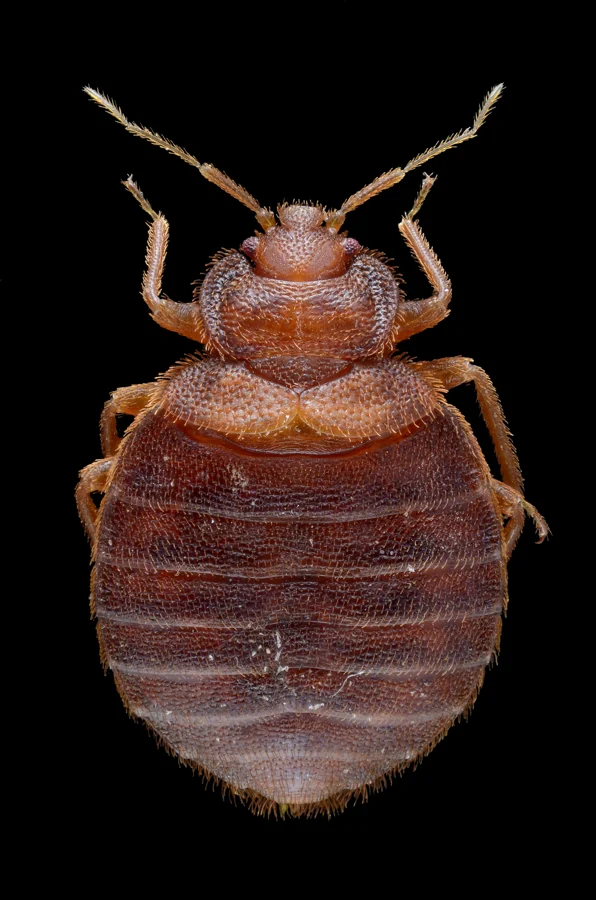
Bed bug
Adult: up to 10 mm long
- Where it may hide
- Mattress seams, bed frames and nearby cracks.
- Why it matters
- Bites can cause itching and disturbed sleep. Bed bugs are not known to spread disease.
A few common pests, their size and the signs worth noting. A photograph can help, but identification needs more than one clue.
Adult: up to 10 mm long
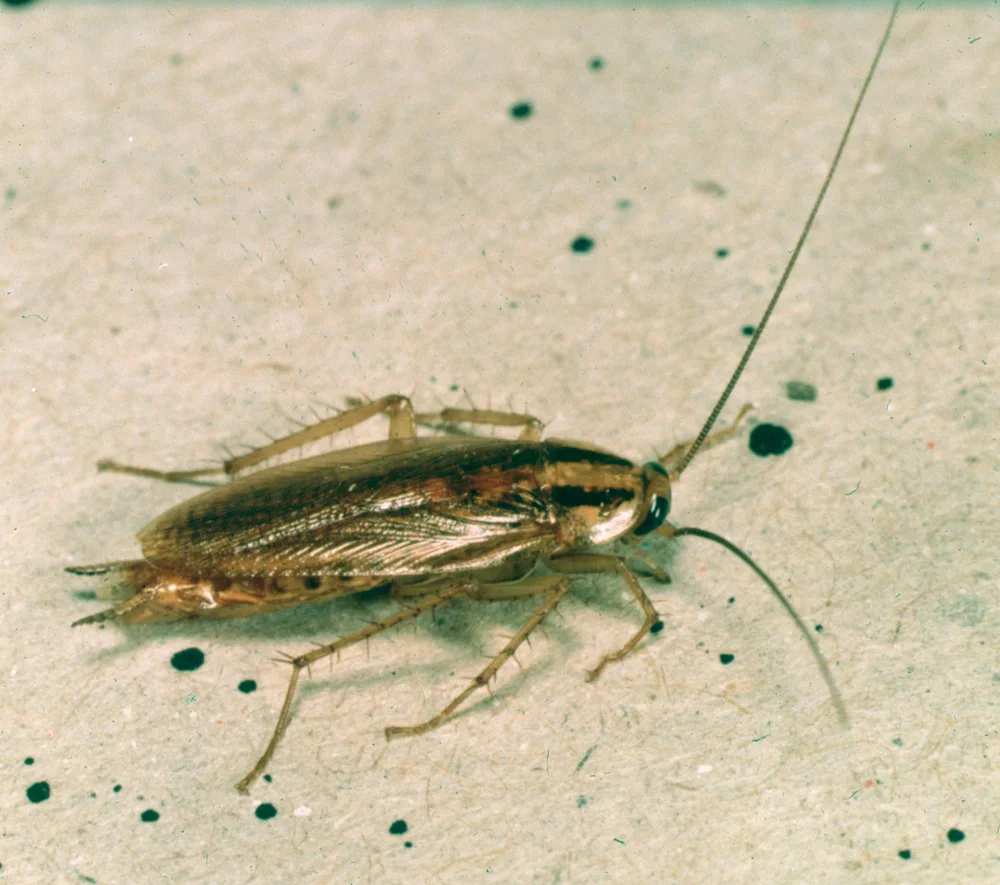
Adult: about 13–16 mm long
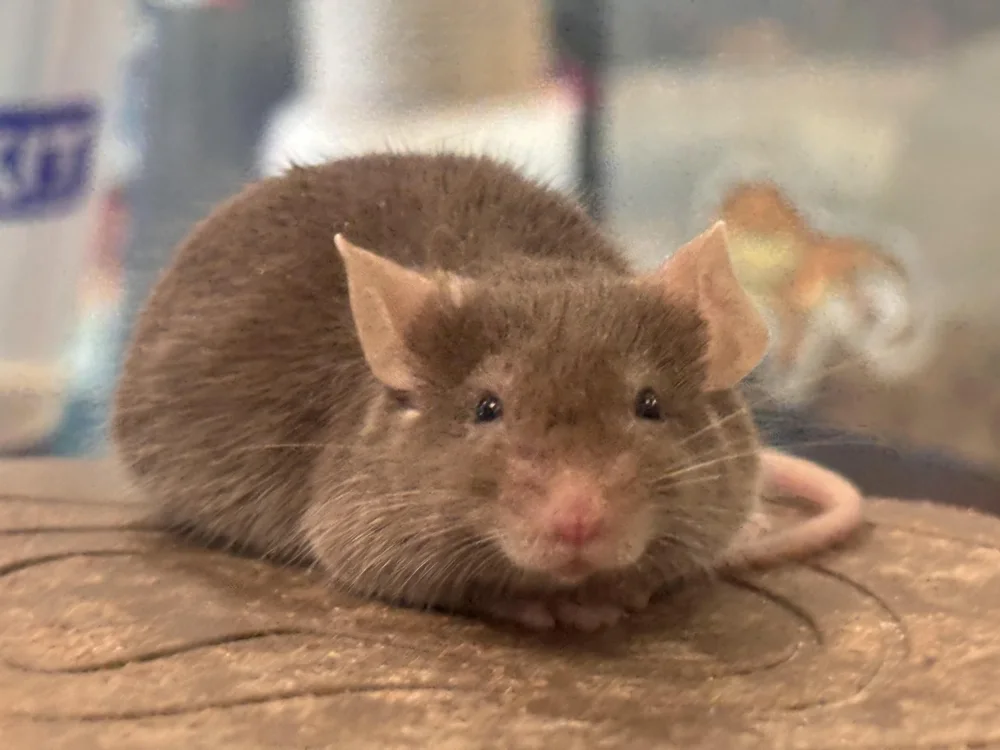
Adult: about 13–18 cm including tail
Reference photographs are enlarged and not shown at the same scale. Size and appearance vary. Photo credits and size references.
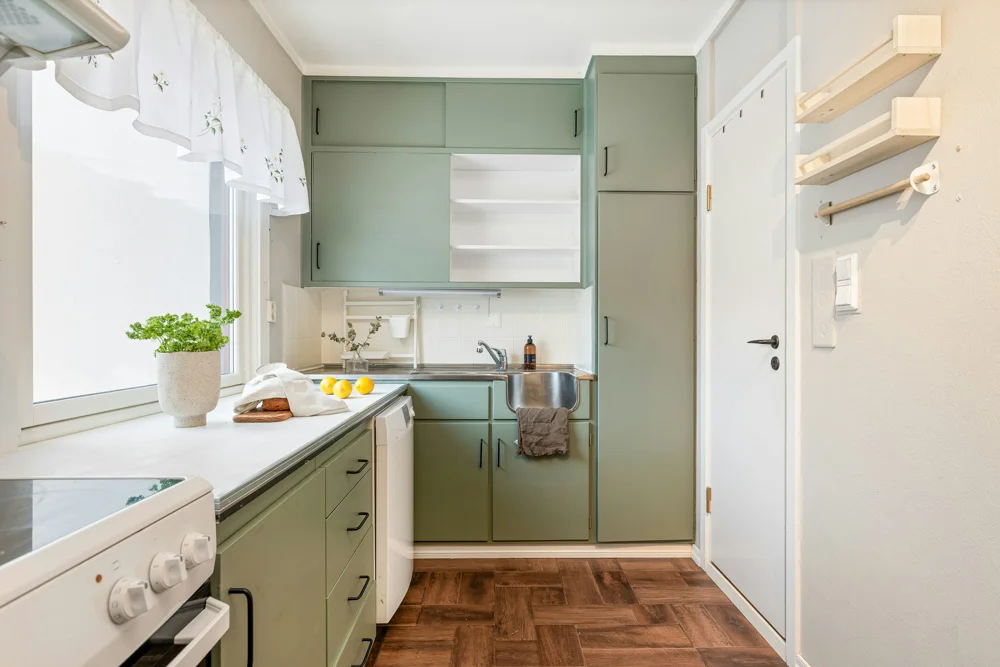
An inspection considers shelter, food, moisture and access—not just the room where you spotted a pest.
Moisture and gaps around services can support activity. Note leaks or insects without disturbing pipes or fixtures.
Cockroaches may shelter in warm, protected gaps. Avoid pulling out heavy or connected appliances to investigate.
Bed bugs can hide close to sleeping areas. Photograph visible signs without moving belongings between rooms.
Small openings may allow rodents inside. Accessible gaps are useful clues to share during an inspection.
What to note before requesting an inspection, and why a sighting does not tell the whole story.
Read the guide Bed bugsA calm starting point when you suspect activity in a bedroom or shared building.
Read the guide PreventionSmall checks for food storage, moisture and accessible entry gaps around your property.
Read the guideImages are for identification reference, not photographs of Orbit jobs. Read Health Canada’s pest guidance.
Bees: John Severns (Severnjc). Original photograph · Public domain. Resized proportionally and converted to WebP; website displays may crop. Same source licence applies. Representative species: Apis mellifera.
Boxelder bugs: Katja Schulz from Washington, D. C., USA. Original photograph · CC BY 2.0. Resized proportionally and converted to WebP; website displays may crop. Same source licence applies. Representative species: Boisea trivittata.
Carpet beetles: Didier Descouens. Original photograph · CC BY-SA 4.0. Resized proportionally and converted to WebP; website displays may crop. Same source licence applies. Representative species: Anthrenus verbasci.
Centipedes: Didier Descouens. Original photograph · CC BY-SA 4.0. Resized proportionally and converted to WebP; website displays may crop. Same source licence applies. Representative species: Scutigera coleoptrata.
Earwigs: Charles J. Sharp. Original photograph · CC BY-SA 4.0. Resized proportionally and converted to WebP; website displays may crop. Same source licence applies. Representative species: Forficula auricularia.
Fleas: Auguste Le Roux. Original photograph · CC BY-SA 3.0. Resized proportionally and converted to WebP; website displays may crop. Same source licence applies. Representative species: Ctenocephalides felis.
Flies: Alvesgaspar. Original photograph · CC BY-SA 3.0. Resized proportionally and converted to WebP; website displays may crop. Same source licence applies. Representative species: Musca domestica.
Hornets: Rhododendrites. Original photograph · CC BY-SA 4.0. Resized proportionally and converted to WebP; website displays may crop. Same source licence applies. Representative species: Dolichovespula maculata.
Indian meal moths: Kaldari. Original photograph · CC0. Resized proportionally and converted to WebP; website displays may crop. Same source licence applies. Representative species: Plodia interpunctella.
Ladybugs: Bruce Marlin. Original photograph · CC BY-SA 2.5. Resized proportionally and converted to WebP; website displays may crop. Same source licence applies. Representative species: Harmonia axyridis.
Millipedes: Alvesgaspar. Original photograph · CC BY-SA 3.0. Resized proportionally and converted to WebP; website displays may crop. Same source licence applies. Representative species: Oxidus gracilis.
Mites: Rayanne Lehman, Pennsylvania Department of Agriculture, Bugwood.org. Original photograph · CC BY 3.0 us. Resized proportionally and converted to WebP; website displays may crop. Same source licence applies. Representative species: Bryobia praetiosa.
Mosquitoes: Alvesgaspar. Original photograph · CC BY-SA 3.0. Resized proportionally and converted to WebP; website displays may crop. Same source licence applies. Representative species: Culex pipiens.
Powderpost beetles: Sarefo. Original photograph · CC BY-SA 3.0. Resized proportionally and converted to WebP; website displays may crop. Same source licence applies. Representative species: Lyctus brunneus.
Red flour beetles: Mallory Cessair. Original photograph · CC BY-SA 4.0. Resized proportionally and converted to WebP; website displays may crop. Same source licence applies. Representative species: Tribolium castaneum.
Silverfish: Aiwok. Original photograph · CC BY-SA 3.0. Resized proportionally and converted to WebP; website displays may crop. Same source licence applies. Representative species: Lepisma saccharina.
Sow bugs: Yug. Original photograph · CC BY-SA 3.0. Resized proportionally and converted to WebP; website displays may crop. Same source licence applies. Representative species: Porcellio scaber.
Spiders: Michel LAMARLERE. Original photograph · CC BY-SA 3.0. Resized proportionally and converted to WebP; website displays may crop. Same source licence applies. Representative species: Parasteatoda tepidariorum.
Stink bugs: Rhododendrites. Original photograph · CC BY-SA 4.0. Resized proportionally and converted to WebP; website displays may crop. Same source licence applies. Representative species: Halyomorpha halys.
Ticks: Content Provider(s) : CDC/ Michael L. Levin, Ph. D. Photo Credit : Jim Gathany. Original photograph · Public domain. Resized proportionally and converted to WebP; website displays may crop. Same source licence applies. Representative species: Ixodes scapularis.
Ant: Jens Buurgaard Nielsen / Wikimedia Commons. Original image · CC BY-SA 2.5. Resized proportionally and converted to WebP; some displays crop the image. The adapted image retains the stated share-alike licence.
Wasp: Akseli Niemelä / Wikimedia Commons. Original image · Public domain, released worldwide by copyright holder. Resized proportionally and converted to WebP; some displays crop the image.
Bed bug: Gilles San Martin / Wikimedia Commons. Original image · CC BY-SA 2.0. Resized proportionally and converted to WebP; some displays crop the image. The adapted image retains the stated share-alike licence.
Brown rat: AnemoneProjectors / Wikimedia Commons. Original image · CC BY-SA 2.0. Resized proportionally and converted to WebP; some displays crop the image. The adapted image retains the stated share-alike licence.
German cockroach: Clemson University – USDA Cooperative Extension Slide Series / Bugwood.org. Original image · CC BY 3.0 US. Resized and converted to WebP for this website; image proportions preserved.
House mouse: DiegoDiegoDiego555 / Wikimedia Commons. Original image · CC BY-SA 4.0. Resized and converted to WebP for this website; image proportions preserved.
House: Roger Starnes Sr / Unsplash. Original image · Unsplash License. Resized proportionally and converted to WebP; cropped in some displays.
Kitchen interior: Lisa Anna / Unsplash. Original image · Unsplash License. Resized and converted to WebP for this website; image proportions preserved.
Adult bed bug and cockroach lengths: Health Canada links above. House mouse length includes the tail, rounded from 5–7 inches: University of California IPM. The adapted mouse image remains licensed under CC BY-SA 4.0.
Tell us what you have noticed and request a free quote.


_female.jpg)


.jpg)


-left_01.jpg)

.jpg)


